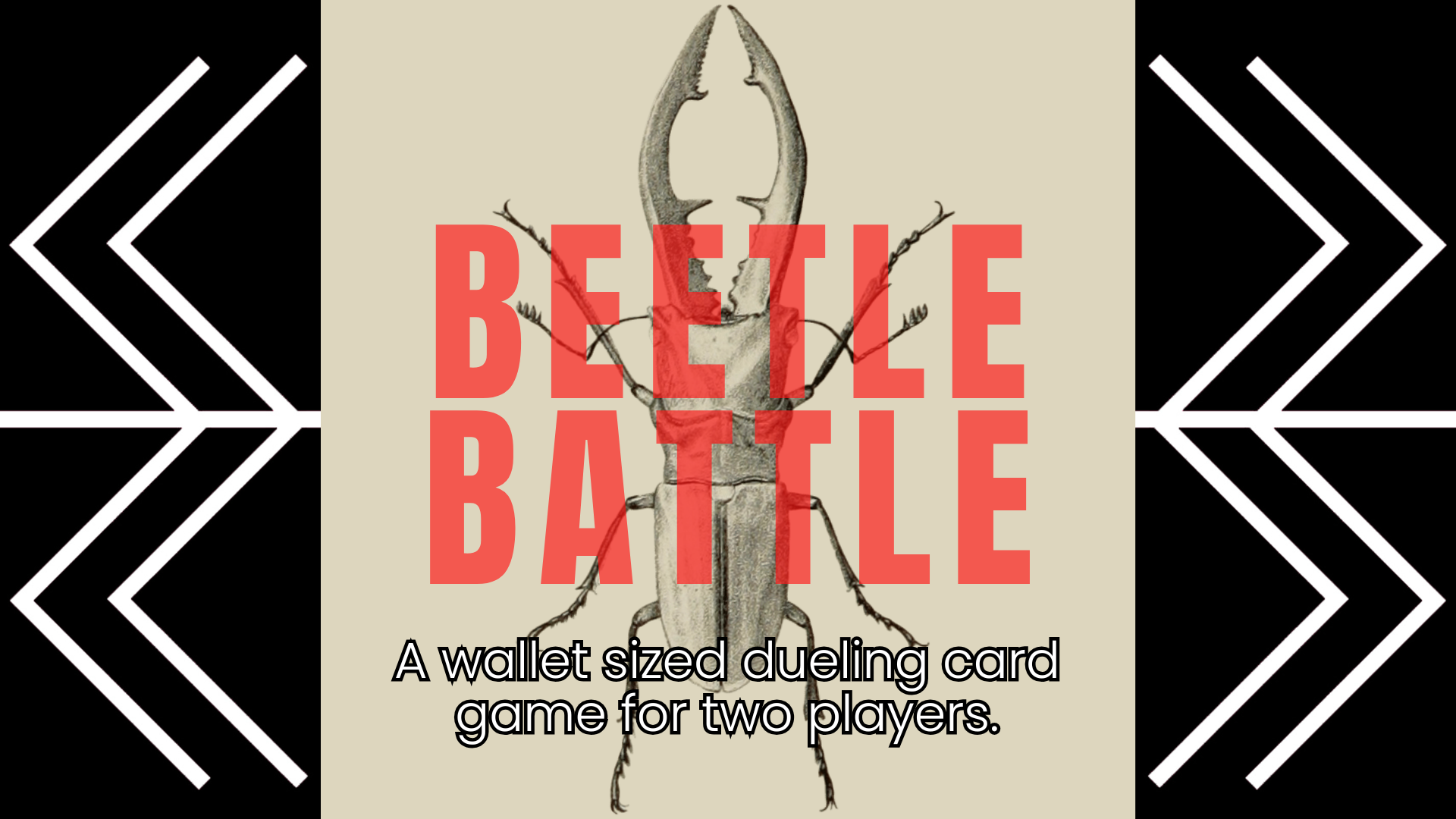
I was sitting at my table a few months ago trying to remember the abstract strategy game I made the rules for several years ago. I’ve no idea where I put those notes or what the game was, except that it was played on a 5×5 board with very simple pieces. I was wracking my brain trying to remember but nothing was coming up until my wife asked me what I was doing.
“Trying to think of an abstract strategy game.”
After a bit of back and forth, she said, “What about a card game?”
This struck an old idea I had about making a game about the Knights of the Round Table who would go on quests, collecting cards, and then duel/joust one another. That’s a much larger design space, but I decided to focus in on the dueling part. If I could make that fun, then the rest of the game becomes a lot easier. Whereas if the duel itself is never fun, then the game becomes a whole lot less interesting. Or, worse, the duels feel like they get in the player’s way.
So I started thinking about the dueling card game in more detail and this meshed with a few other ideas.
Three years ago, Tim Rogers released his review of Boku no Natsuyasumi. While I do love that review, one thing that stuck with me was the little beetle battling minigame he mentions in it. This became such an interesting little idea that it caused me to add it as a subplot to an older novella. Strangely, this idea of beetles battling really completed that novella for me.
Many years ago, I played a boardgame called Archipelago that got me obsessed with tight, fixed economies in games. I’ve tinkered around with various designs over the years but never really got anywhere.
My problem, as always, was thinking way too big. I was trying to design games with a dozen different mechanics, which might be all well and good for an experienced designer, but not so much for someone who has never finished a game design before.
And the smallness of this dueling game allowed it to finally take shape. As did discovering Brooklet Game’s Beetle Knight.
What if there were only a few cards in the whole deck? More than that, what if the cards you played went to your opponent, instead of into your discard?
Thus and so, the core conceit of the game sprang to life.
I spent some time that night thinking about what the cards should do. I threw these out as possibilities without really having any data or real clear sense for what would actually work. But most of the cards I came up with felt right. I also came up with some rules of how to play. All of this was quite simple and straightforward.
You have a shared draw deck. Both players draw from it to their hand limit, which I initially thought would be 5 cards.
Players choose their card to play in a round and place them face down. When both cards are chosen, they simultaneously reveal and resolve the cards. Here’s where a rock, paper, scissors mechanic comes into play that I took, more or less, from Fury of Dracula. The symbol on the bottom of a played card corresponds to the symbol on the top of your opponent’s played card. If these match, your opponent’s card is canceled.
Your card then goes into the discard pile of your opponent and you get theirs. You play until you or your opponent receive 8 damage.
The next morning, I made a demo deck.
Already, I changed the hand limit from 5 to 3 and the health pits from 8 to 5. I just kind of instinctively knew this would make the game work better.
I played the game with my 7 year old son for about an hour that evening before he had to go to bed. Then I played one game with my wife and could tell she did not love it. Which was fine because I already came up with some ideas to solve the problems I’d discovered in actually playing the game.
Some cards are different and some of the rules have changed since the first conception, and it’s likely that rules and cards will continue to change through development.
So I tinkered that night and over the last few weeks and came up with a demo. In sharing the demo in a discord channel about game design, a fella who works at Backerkit reached out and told me my game would be perfect for Pocketopia.
I waffled back and forth on this for a while. I worried that people would not want me to crowdfund a game while Briar Bay has not yet been fulfilled. But in talking it over with some people, I decided to go ahead with Beetle Battle. After all, the designs are not in competition with one another and the fulfillment of Briar Bay isn’t contingent upon Beetle Battle.
Thus and so, I joined Pocketopia!

You can sign up at the preview page to be notified when we launch!
You can also go to that same preview page and download the free print and play version to give it a go. The artwork will be professionalized before the campaign as well. Going for a much cuter, family friendly aesthetic for this one.
Along with that, I’m interviewing various people creating games for Pocketopia. You can follow along on Spotify or Apple.
I’ll have more to say about this project as we near Pocketopia, but I’m pretty excited about this one! Try out the print and play and let me know what you think.
I’ve been a bit quiet here lately, but expect many more writing updates. I don’t typically send these out as newsletters because I’m trying not to flood your inbox, but if you check in on this site from time to time, you’ll see me writing updates about novels I’m writing.
More soon!

Leave a Reply